How Route 66 Shaped American Pop Culture
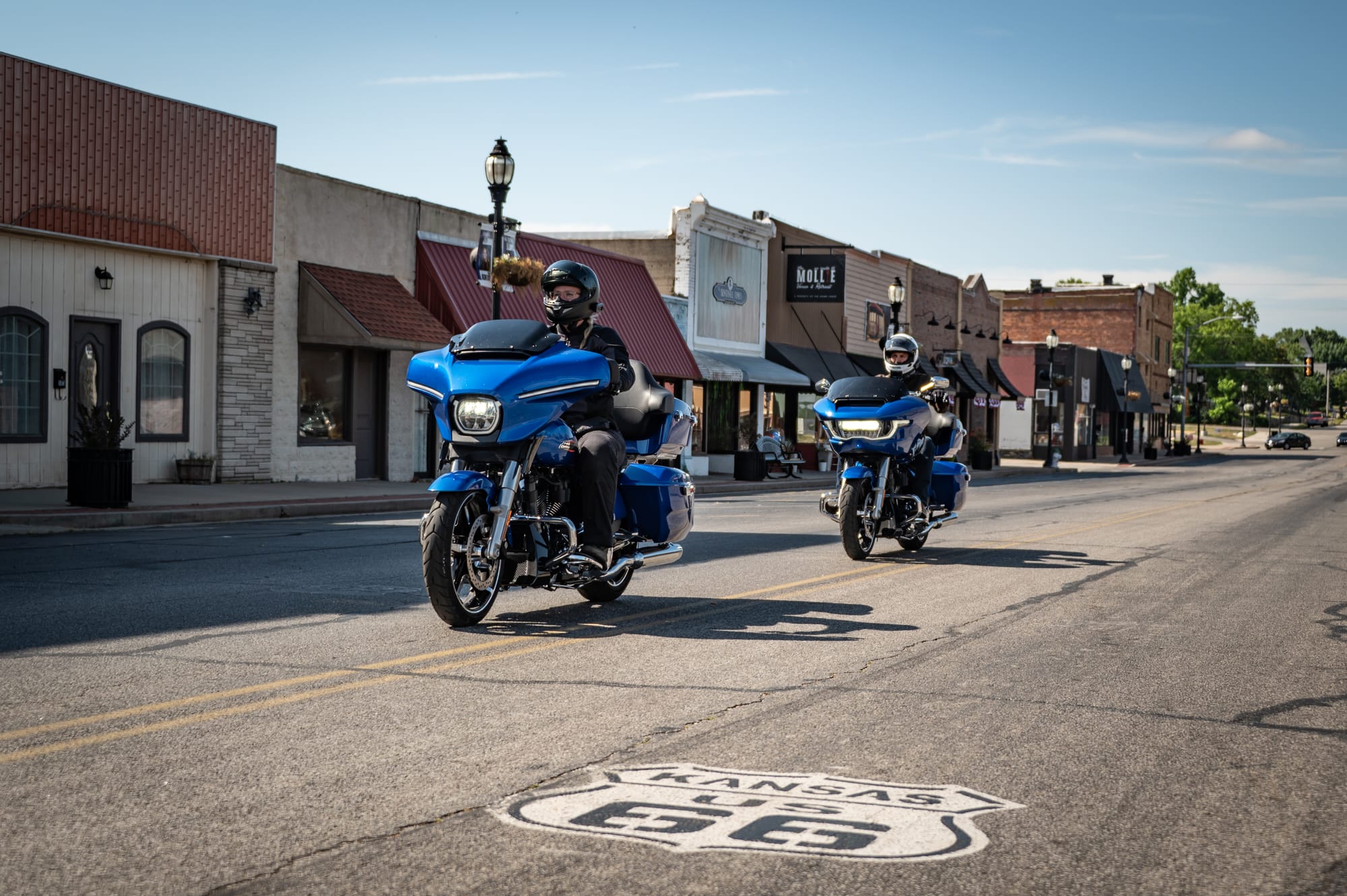
If America has a greatest hit, it isn’t a song but a road. Commissioned in 1926, Route 66 carved its way straight into the American imagination.
Long before travel influencers, bucket lists, or cinematic drone shots, the Mother Road taught the country what adventure felt like.
What makes Route 66 different from the hundreds of other highways that stitch the country together is that it wasn’t designed as a scenic byway or a tourist attraction. It just happened to become one through the stories people told about it. Once those stories hit the airwaves, bookstores, and movie screens, Route 66 transformed from pavement to a pop culture legend.
The Soundtrack of the Open Road
Even if you’ve never ridden a mile of Route 66, chances are you can hum a few bars of “(Get Your Kicks On) Route 66.” Nat King Cole recorded the original in 1946, and it snowballed into one of America’s most covered songs, performed by Chuck Berry, The Rolling Stones, and dozens more.
The magic of the tune isn’t in the melody but the roll call of cities. Hearing “Flagstaff, Arizona” or “Gallup, New Mexico” in a hit song was sensational at the time.
It told everyday Americans that adventure wasn’t reserved for explorers in pith helmets. You could find it off exit ramps and small towns with familiar names. Simply put, the song made the highway sing.
Books that Captured the Spirit
John Steinbeck immortalized Route 66 in The Grapes of Wrath. Fun fact, this novel is where the nickname “The Mother Road” originates in.
Steinbeck saw the route’s harsh and desperate side, with families fleeing dust and drought as they clung to California as a kind of secular promised land. It wasn’t glamorous or carefree, but it was deeply American.
Decades later, writers like Michael Wallis added new layers to the legend. His book Route 66: The Mother Road arrived in 1990, just as nostalgia for old Americana was catching fire again. Wallis captured the romance, decay, neon glow, and stubborn perseverance of the small towns still clinging to life along the highway. It fed a new generation’s curiosity about the old road’s mythic pull.
Hollywood Takes the Wheel
Hollywood, of course, couldn’t resist the stories from the road, some of them tailor-made for the silver screen. Route 66 became both a backdrop and a character.
From black-and-white road dramas to technicolor family epics, the highway showed up everywhere. The 1960s TV show Route 66 (they went with the obvious title) turned the road into a symbol of youthful freedom. It featured two men drifting from town to town, solving as many problems as they got into, and generally living according to the gospel of the open road.
Even Pixar put animated wheels on the asphalt. Cars introduced a new generation of kids to the heartbreak and charm of Route 66 towns that were forgotten when the interstate system bulldozed efficiency into America’s road map. Suddenly, families who had never heard of Tucumcari or Seligman were planning summer trips out west—all because an animated tow truck and a grumpy racecar taught them about loss and resilience.
Harley-Davidson: The Perfect Co-Star
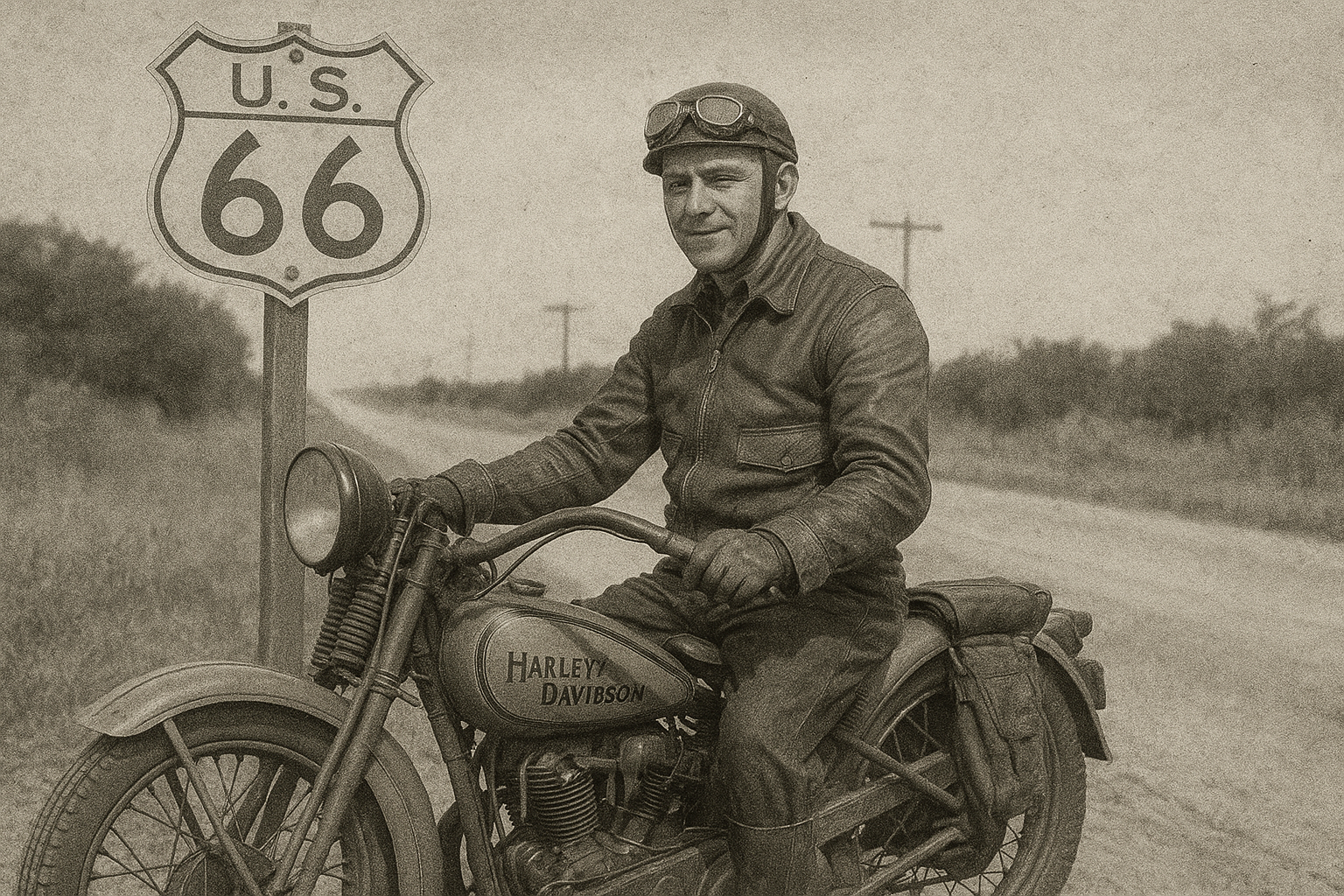
No discussion of Route 66’s influence is complete without talking about Harley-Davidson. If Route 66 is the stage, Harley is the leading man; leather jacket optional.
Harley-Davidson didn’t create the mythology of the rebellious American rider, but the brand sure poured gas on the flames. By the time Route 66 hit peak cultural saturation, Harley-Davidson had already positioned itself as the machine for people who refused to be ordinary.
The combination of the two, Harley thunder and Route 66 wonder, became the definitive image of freedom. A steel horse chasing a sunset. A lone rider framed by wide skies and wider possibility.
Route 66’s identity evolved. No longer was the route just a migration path or a family vacation corridor, but it became the backbone of the Great American Road Trip. Harley-Davidson riders were its unofficial ambassadors.
Every V-twin rumbling along the old alignment reinforced the image of freedom, rebellion, escape, and reinvention. The bike and the road became inseparable symbols of living life on your own terms.
You can still hear the unmistakable heartbeat of a Harley-Davidson echoing between abandoned motels and old neon on the Mother Road. The motorcycle and the highway grew up together, aged together, and now survive on nostalgia and the stubborn refusal to fade away.
The Mother Road Lives On
Route 66 shaped American pop culture not because it was perfect, but because it was true. It carried our hardships, our hope, our wanderlust, and our need to tell stories about all three.
And if you ever doubt the road’s power, just ride it for yourself. Pop culture didn’t exaggerate Route 66; it only scratched the surface in embodying what it feels like to ride America’s Highway.