Motorcycling Guide to Montana

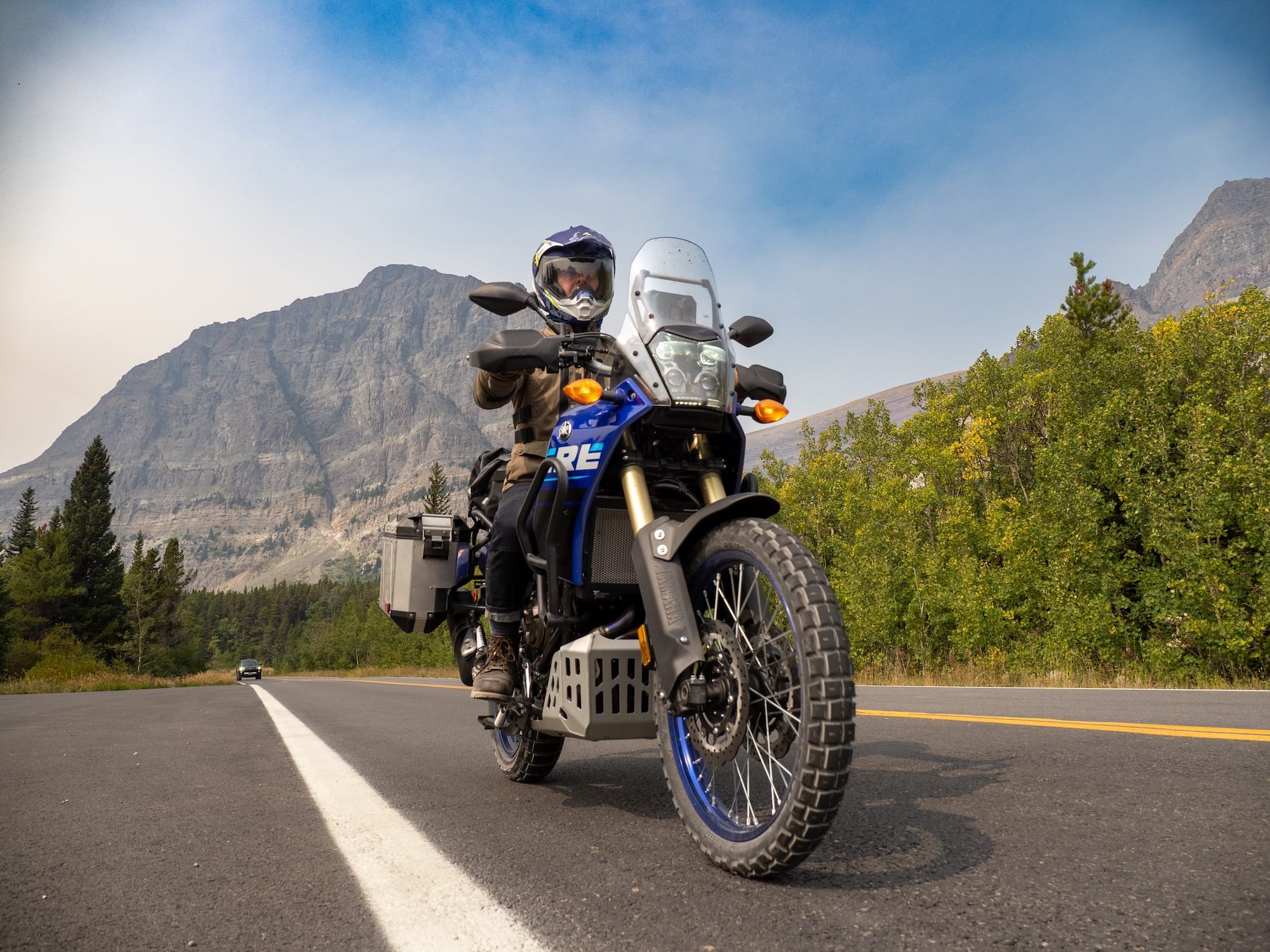
Montana equals mountains. Motorcycle riders who seek tight turns among some of the most majestic scenery the U.S. has to offer will find it in the Big Sky Country.
Every type of rider will find something to love in Montana, from more relaxed paved mountain roads to extremely challenging dirt tracks over nearly unreachable passes. And if you don’t like mountains, the state’s eastern plains take you to ruggedly gorgeous badlands filled with dinosaur fossils.
Let’s explore Montana and find out where, when, and what you should ride in the Treasure State.
Geography of Montana
What could rule the geography of a place called “Montana?” Of course, it’s mountains upon mountains. One of the six (or eight, depending on the definition) Mountain States of the U.S., Montana’s borders contain more than 100 distinct mountain ranges.
Its geography is defined by the Continental Divide, consisting mostly of the Rocky Mountains. The Divide splits the state into the mountainous western parts and the Great Plains in the east.
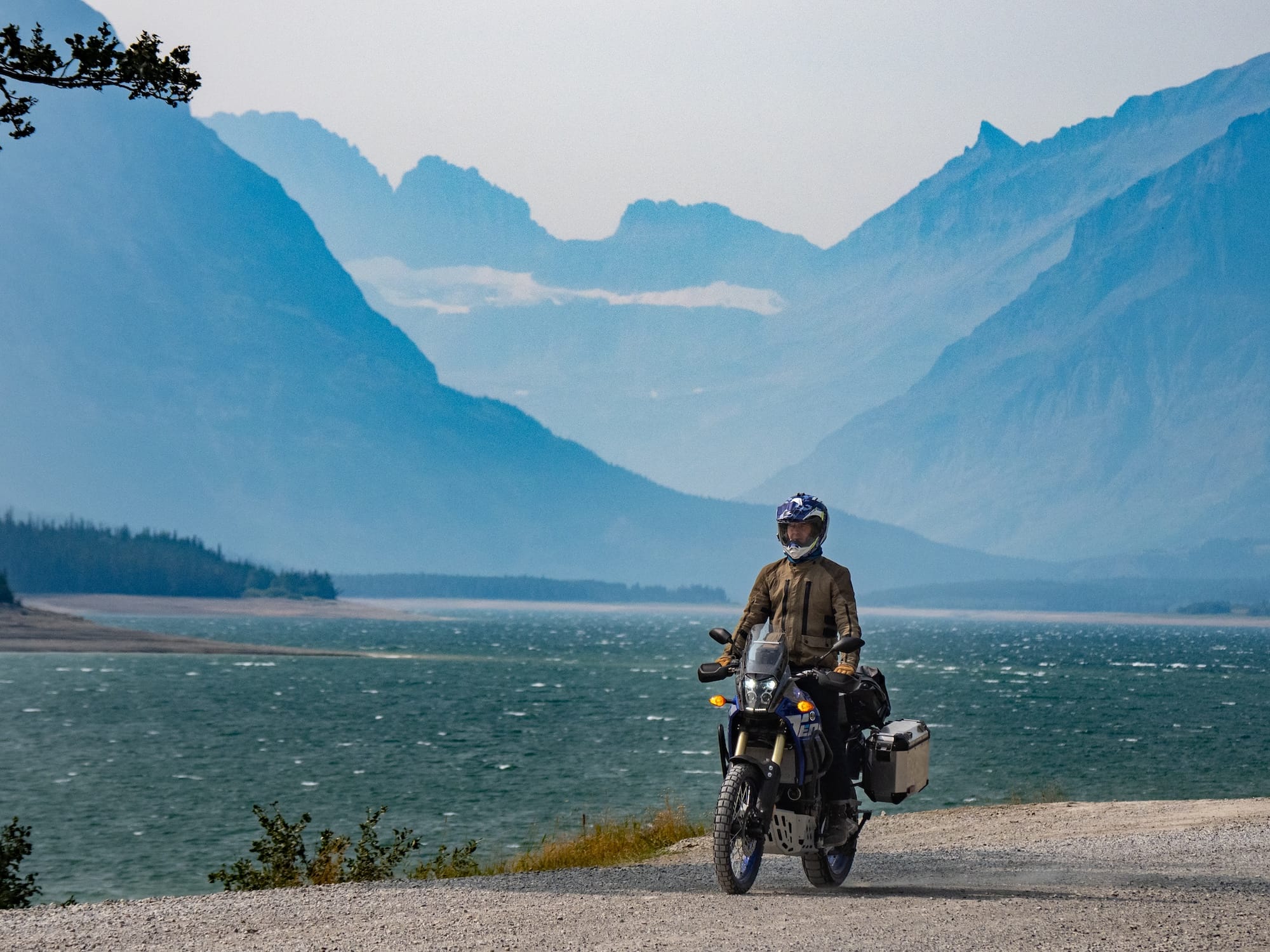
While most of Montana’s mountains are part of the Rockies, they’re divided into separate subranges. Some major ones include the Bitterroot Mountains on the southern border with Idaho, the Gallatin Range, and the Beartooth Mountains, which are home to Granite Peak, Montana’s highest point at 12,807 feet.
Although the Rockies dominate the discussion, there are several parallel ranges running in the same direction that aren’t technically part of the Rockies, like the Big Snowy Mountains. Multiple island ranges also stretch into the central regions of Montana, such as the Crazy Mountains.
Montana is most renowned for its mountainous areas, but the majority of it is in fact covered by the vast Great Plains. The state is the fourth largest in the U.S., being roughly the same size as Germany, and 60% of it consists of expansive plateau prairie.
Other geologic formations in the plains are smaller mountainous spots and badlands (such as Missouri Breaks and the Hell Creek Formation). They are mostly sparsely populated, with the defining human features being the vast cattle ranches and grain farms.
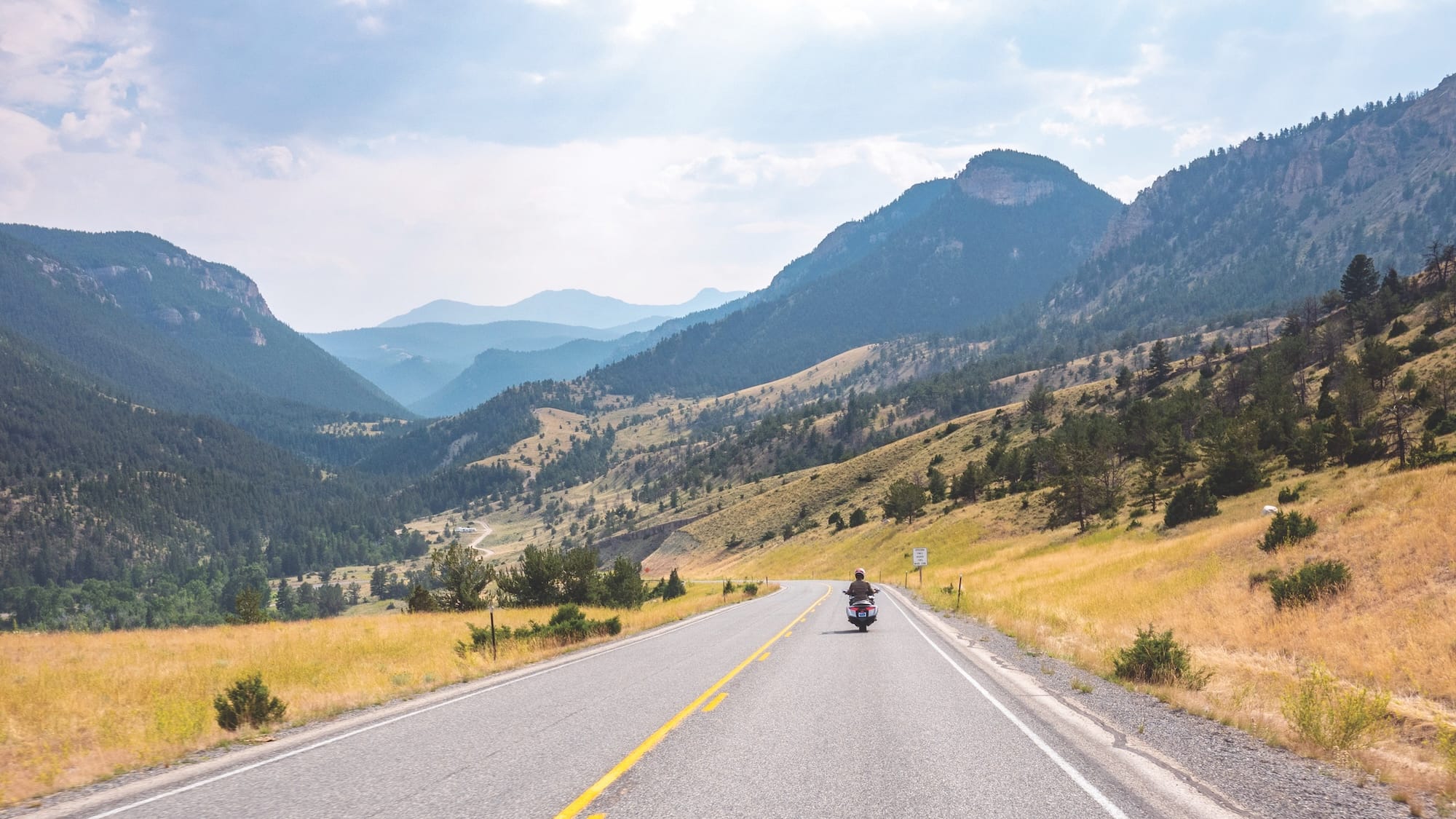
Large parts of Montana, especially in the mountains, are forested, and the state has national forests galore. To mention just a few, you have the Kootenai, Flathead, Lewis and Clark, Custer Gallatin, Beaverhead-Deerlodge, and Bitterroot national forests all in western Montana.
In addition to the east-west divide, there’s a popular (especially in tourism brochures) way to divide Montana into six regions. They’re not real geographical areas, but they may help you decide where to ride in the state. This grouping of six includes:
- Glacier Country of northwestern Montana, containing the Glacier National Park’s rugged peaks and alpine lakes.
- Central Montana between the Glacier and Yellowstone national parks, with a mix of sweeping plains, rivers, and forested mountains.
- Missouri River Country in the northeastern Great Plains stores Native American history and dinosaur fossils in its badlands.
- Southeast Montana consists of expansive prairie and rocky river canyons, offering great opportunities for hiking.
- Southwest Montana is rich in Wild West history, with the old towns sitting amidst the towering peaks of national forests.
- Yellowstone Country in southcentral Montana is a gateway to Wyoming’s Yellowstone National Park, but it also has gorgeous mountain valleys and hot springs in its own right.
Top Routes and Destinations in Montana
Two roads in Montana are quite possibly more famous than the rest put together. The first of them is Beartooth Highway, with the connecting US 212. Often dubbed the most beautiful road in America, this asphalt ribbon dips into Wyoming, providing jaw-dropping scenery and entertaining curves. Read more in our Beartooth Highway overview.
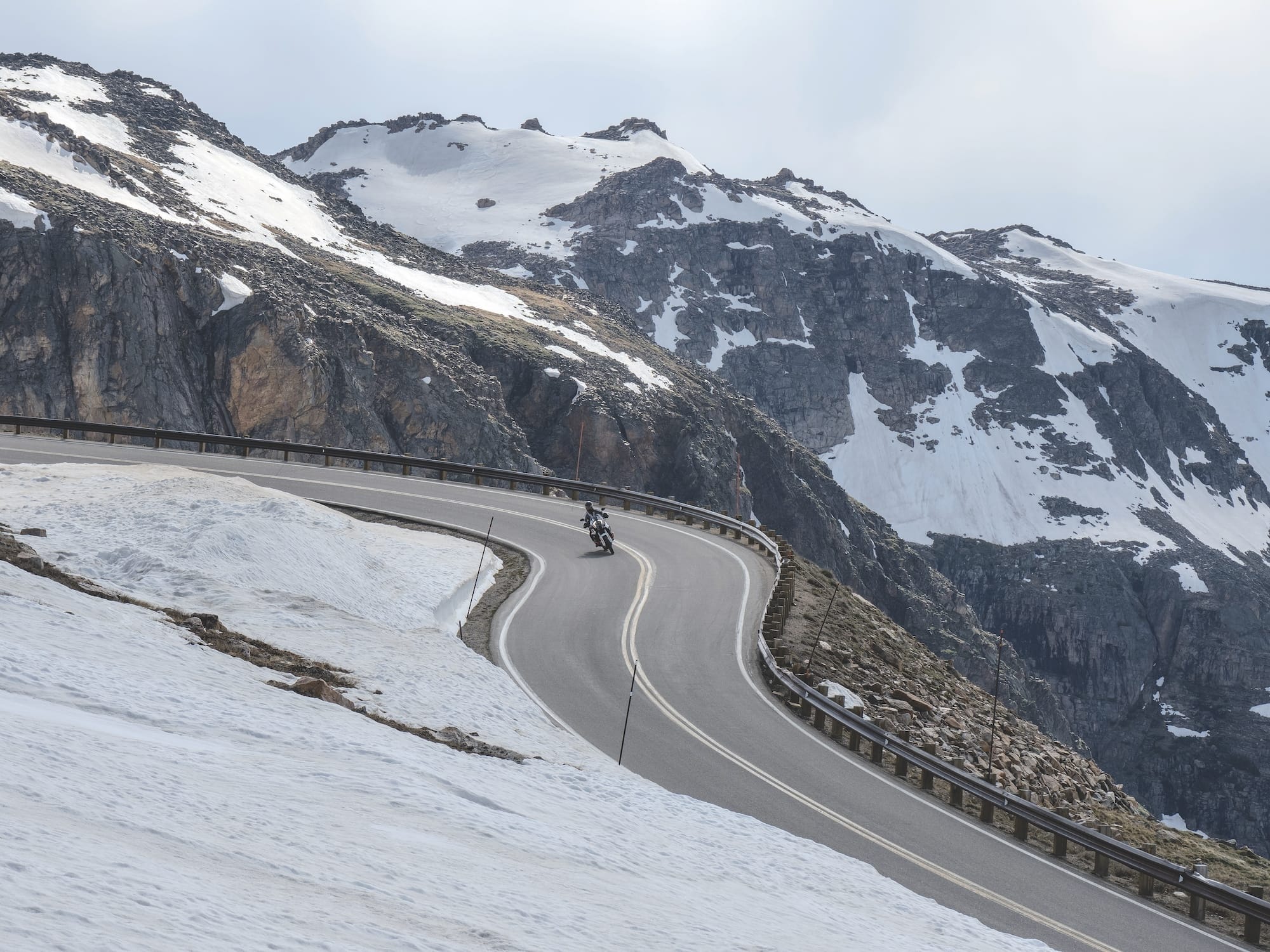
The other world-renowned route is the Going-to-the-Sun Road. It’s 50 miles from the only paved road through Glacier National Park. The views opening from the top of the Continental Divide, at more than 6,600 feet, are something that must be seen to be believed. Read our Going-to-the-Sun Road highlight article for more details.
If you’re on a dirt-capable bike, you might want to consider sticking around in Glacier National Park until after dark. With no light pollution to ruin the night sky, it’s one of the best places in the country for moto stargazing. Just be aware of the risks of traveling in the dark on remote mountain roads.
For a longer tour of Glacier National Park, consider basing yourself in Kalispell. The town is an excellent launching pad for exploring the park on a multi-day tour. But you can also ride here in winter—Kalispell offers snowbiking for a truly one-of-a-kind two-wheeled (or two-skied) experience.
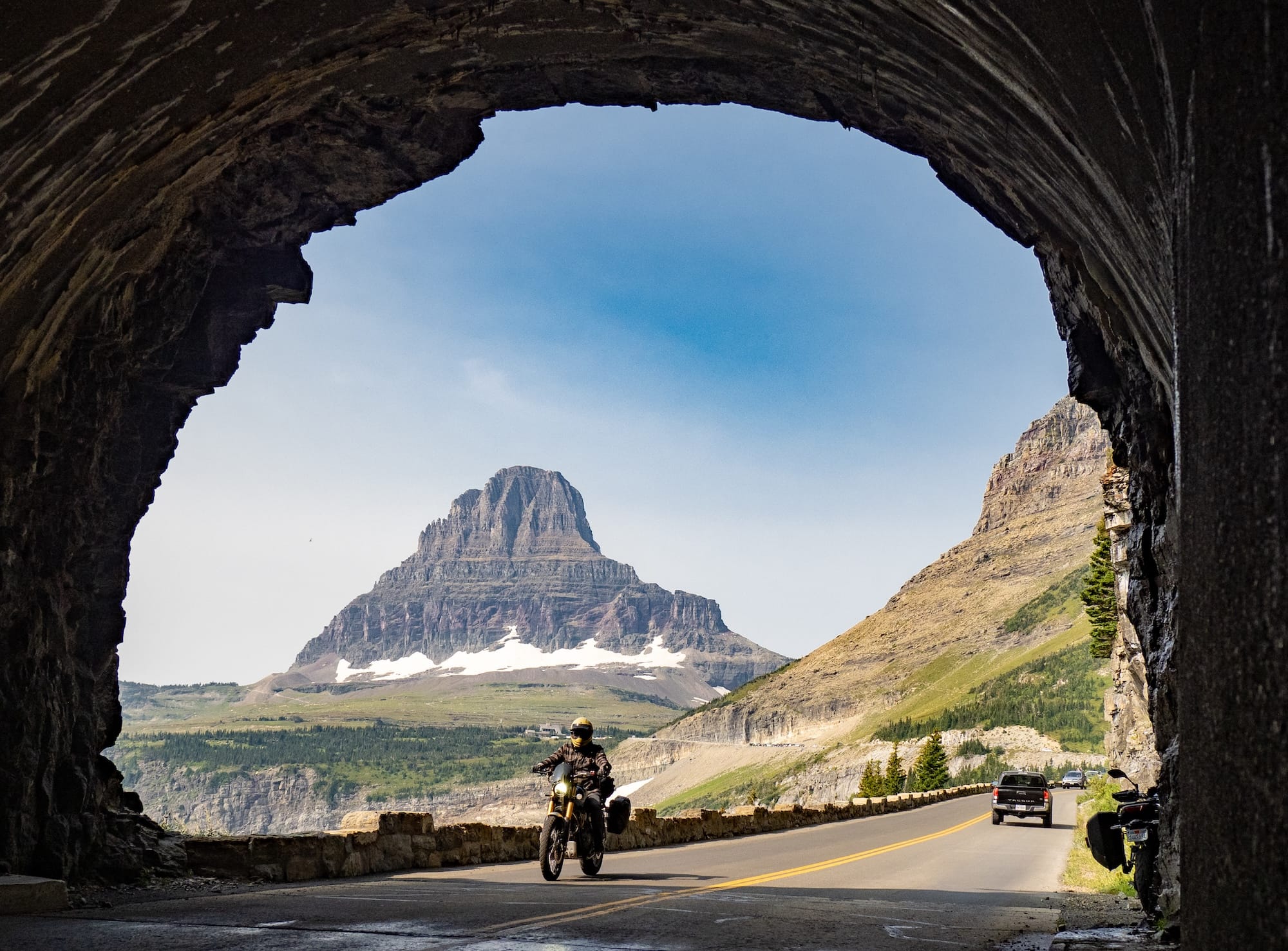
Of course, there’s plenty of fabulous riding to be had elsewhere in Montana, too. The area surrounding Billings, Montana’s most populous city, is a veritable motorcycle wonderland.
The city offers easy access to Yellowstone National Park, the Little Bighorn Battlefield, and many other areas on excellent roads. Check out the two RoadRUNNER Shamrock Tours® for route inspiration here and here. Billings is also among the best cities in the U.S. for wilderness riding.
Between, after, or during the rides, you can also explore the many sights and attractions around the city. Billings is a whole motorcycling package in one city.
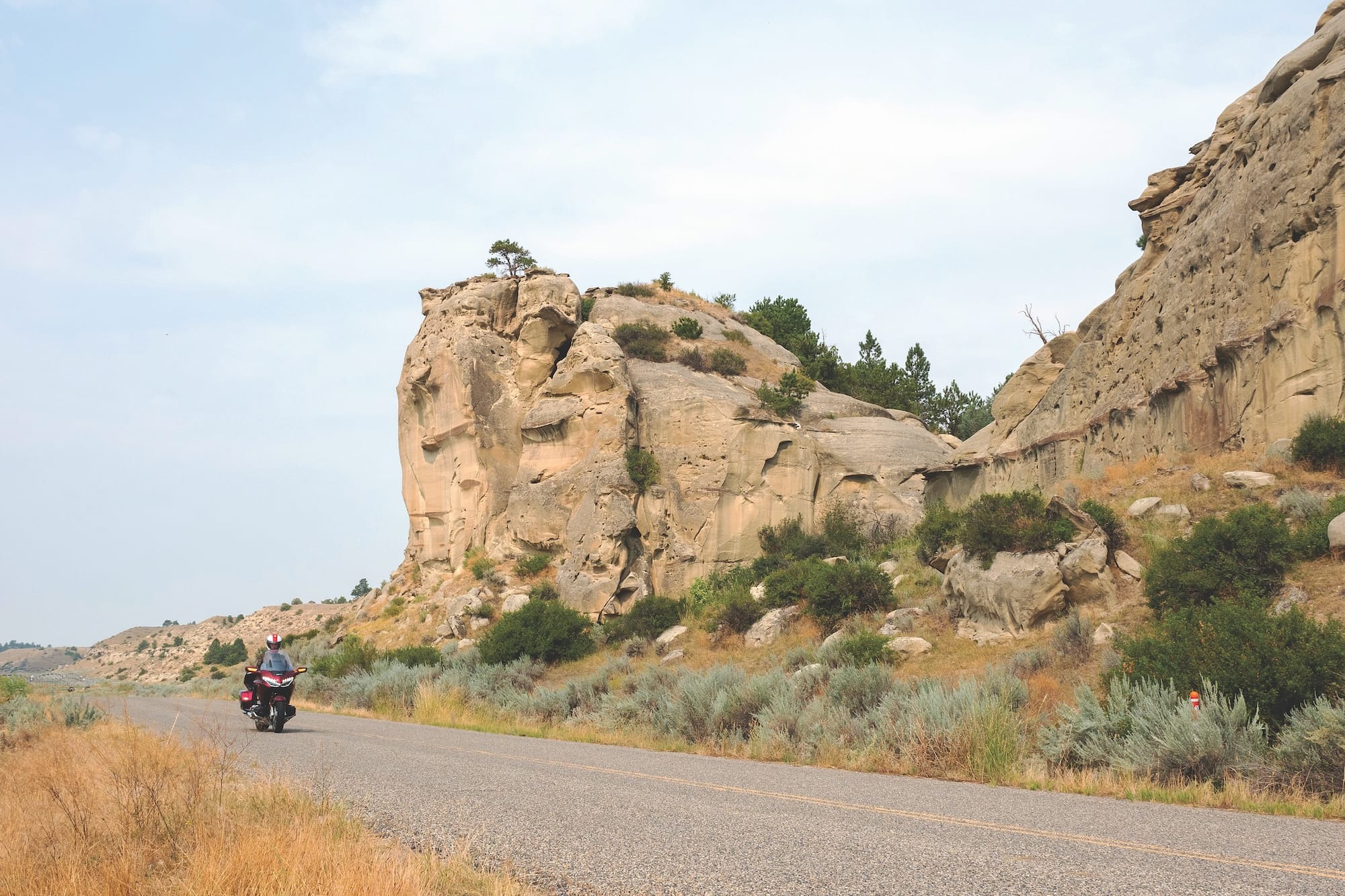
Riders looking to get high should head to one of the many mountain passes of the Continental Divide. Lolo Pass takes you to Idaho on US 12 on an all-paved ride that promises “winding road over the next 99 miles.” What more do you need?
Other top-notch places from which to head into the mountains or to visit while on another ride include Missoula and Great Falls.
But don’t stay just in the mountains! Although they can be quite flat, Montana’s prairie also has unforgettable rides in store for you. You can explore the badlands and spot fossils in the time-worn rock walls.
That, or you could simply go enjoy the meditative solitude of the plains. That’s what John M. Flores did when tracing Robert Pirsig’s trail through Montana in Part 1 and Part 2 of his “ZenMoto” story.
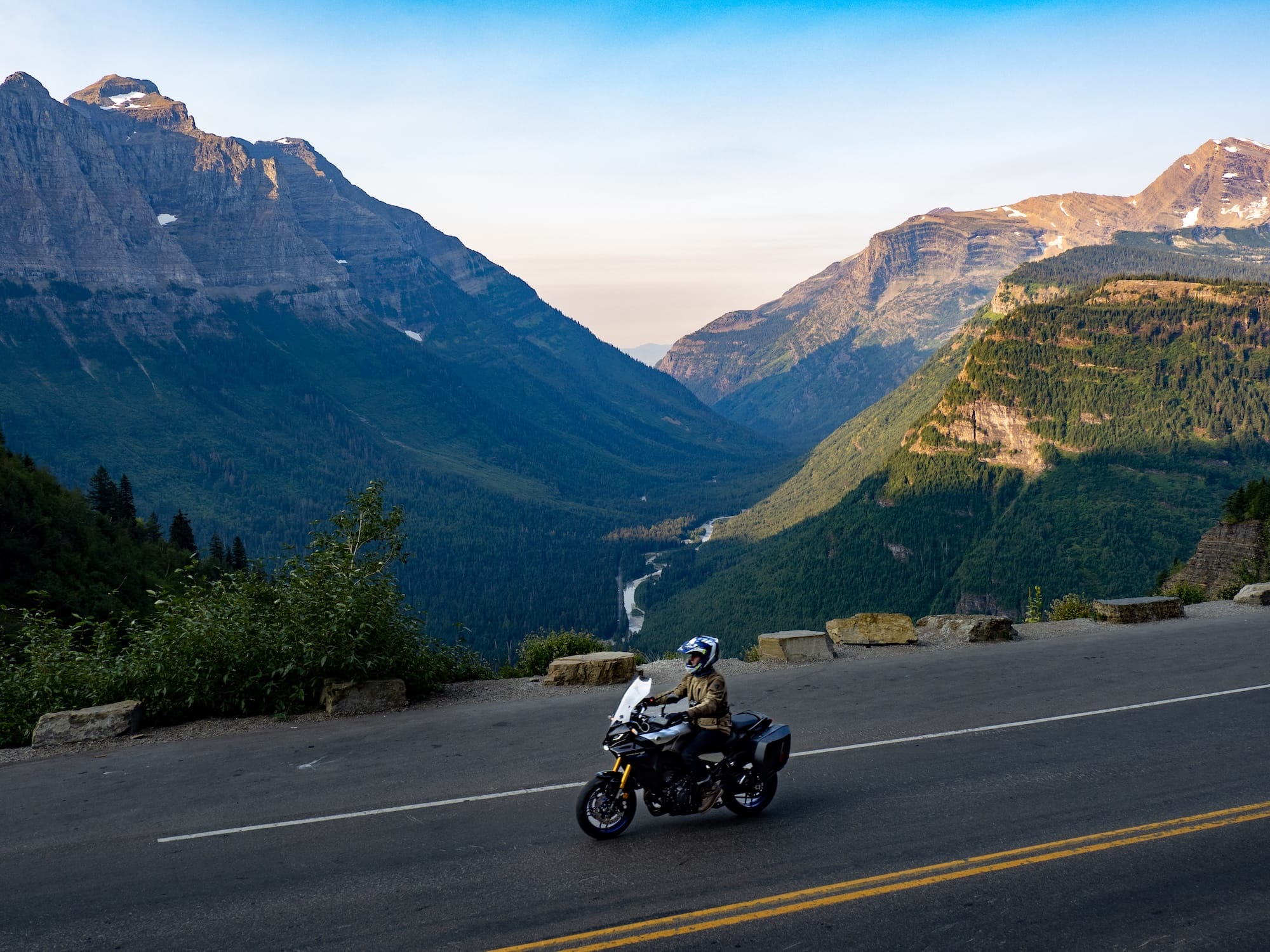
Another way to cross the plains is along US 191, which cuts through Montana from Yellowstone to the Canadian border. Heading southward, this cross-country road runs to Mexico, making Montana a launching pad for one heck of a long motorcycle tour.
I should also mention Yellowstone National Park. Although it’s in Wyoming, West Yellowstone in Montana acts as a popular entrance for those hunting geysers and mind-bogglingly gorgeous views.
ADV Motorcycle Routes in Montana
ADV and dual sport riders, you’ve come to the right place. Montana is arguably the best place for adventurous off-roading in America, with more trails than you have time to ride.
The ultimate off-roading skill test in Montana is crossing Lemhi Pass. Unpaved roads climb to nearly 7,500 feet over a curvy and incredibly challenging crossing into Idaho. As you ride, you’re following historical tracks, as this is where Lewis and Clark crossed the mountains.
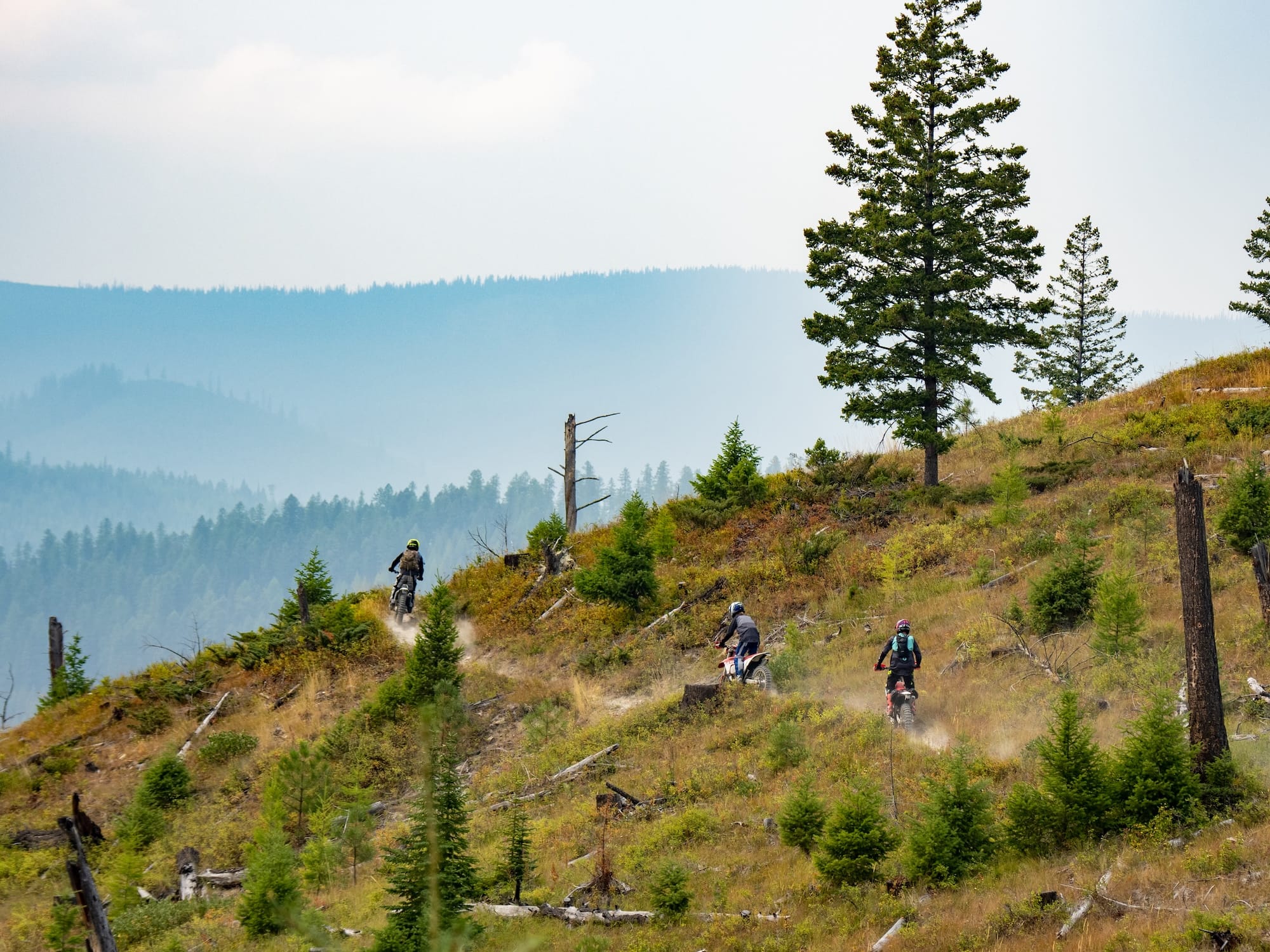
For a longer, structured off-road tour, you can put your wheels on the Montana BDR. It traverses the entirety of Montana’s Rockies from Yellowstone to Canada over a rough and tough tour.
The state’s national forests have hundreds of miles of seasonally open OHV trails, with Flathead National Forest being one of the most popular places to ride. However, you must stay on designated trails, so get a trail map in advance.
If you’re staying in Billings, you can head to the Shepherd Ah Nei Recreation Area. It features a section dedicated entirely to off-road vehicles with 50 miles of trails on more than 1,000 acres.
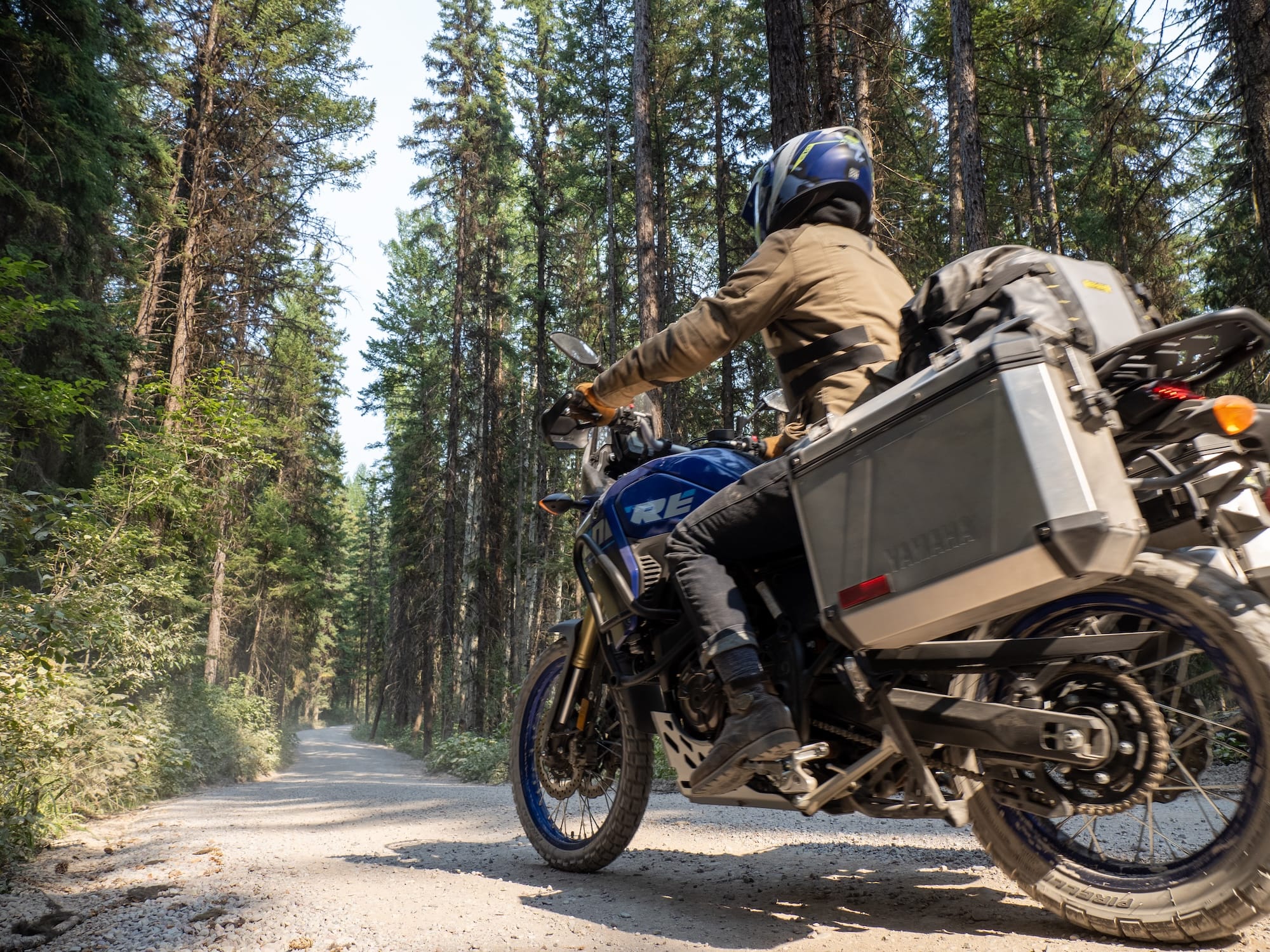
The Short Pines OHV Area, near Makoshika State Park, is the only one in eastern Montana where you can ride freely on BLM land. That’s right—no need to follow a trail. Ride wherever your heart desires, but be aware that some spots in Short Pines are infinitely more challenging than others.
Tips for Motorcycling in Montana
The reliable riding season in Montana is very short, lasting only from mid-June to early September. During this period, you can enjoy rideable temperatures even up on the mountain passes and long daylight hours. All roads should be open at this time, although make sure to always check the conditions before you ride.
In spring, lower-altitude roads in the plains are probably open, but you will still have cold winds. The mountain roads and passes, meanwhile, are still likely a no-go in spring due to snow and repairs.
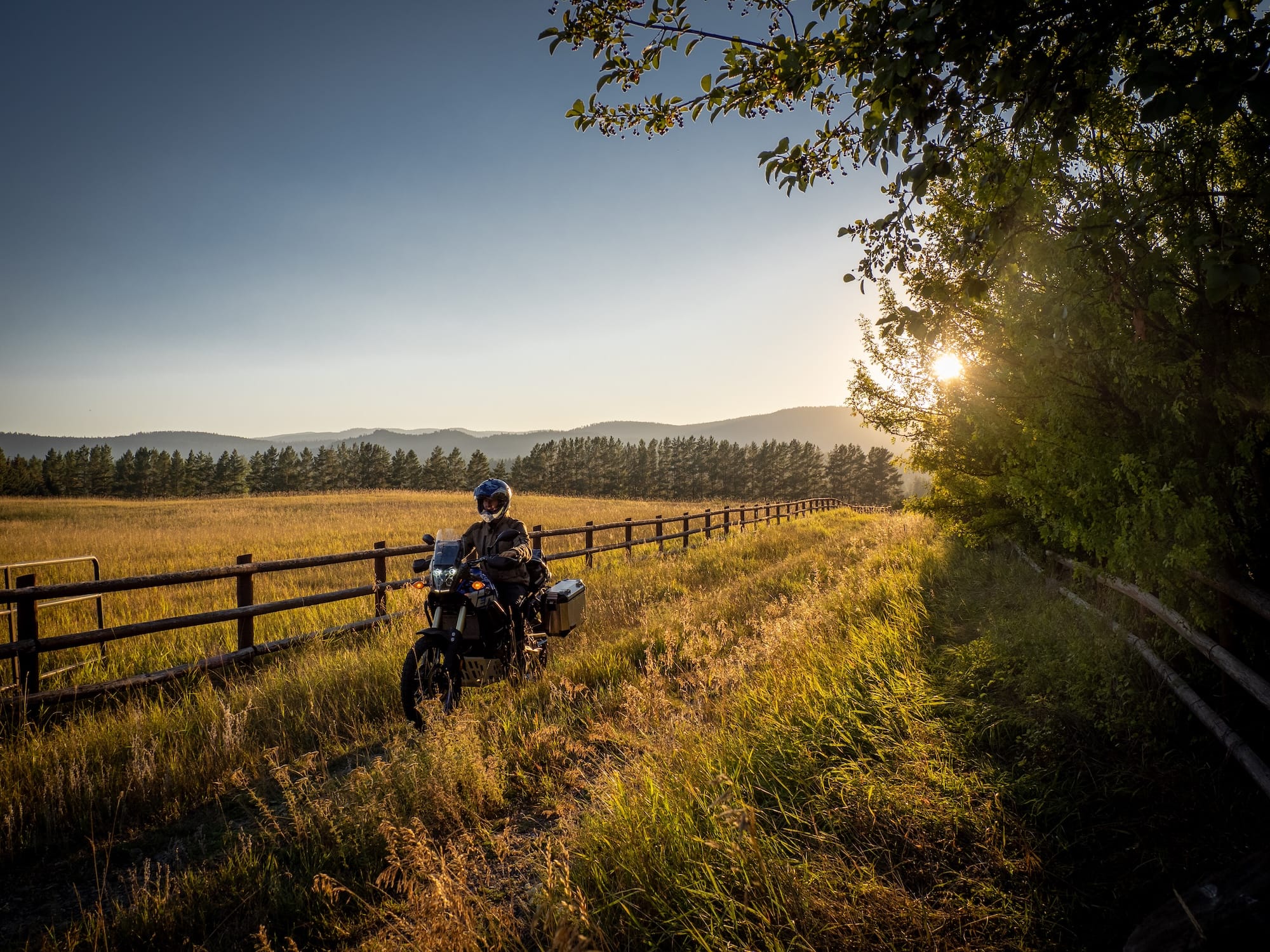
Fall colors in the mountains are beautiful, peaking in early October. However, be fairly warned that it can dump snow without a warning, leaving you stuck in dangerous conditions. Winter is no good for riding unless you head to Kalispell for snowbiking.
The weather in Montana can change rapidly during any season. In the mountains, the temperatures may drop from warm to freezing within hours, even in the summer. High, gusty winds can blow on the plains and through the passes.
Distances between service stations can be very long, above 120 miles in Montana’s rural areas. Be prepared with fuel, food, and water, and be aware that cell service may not exist.
Road conditions may also vary wildly from pristine asphalt to highly degraded pavement up in the mountains (especially before spring repairs). Ride carefully and obey the speed limits to stay safe—especially in the national forests and parks where they’re enforced with surprising efficiency.
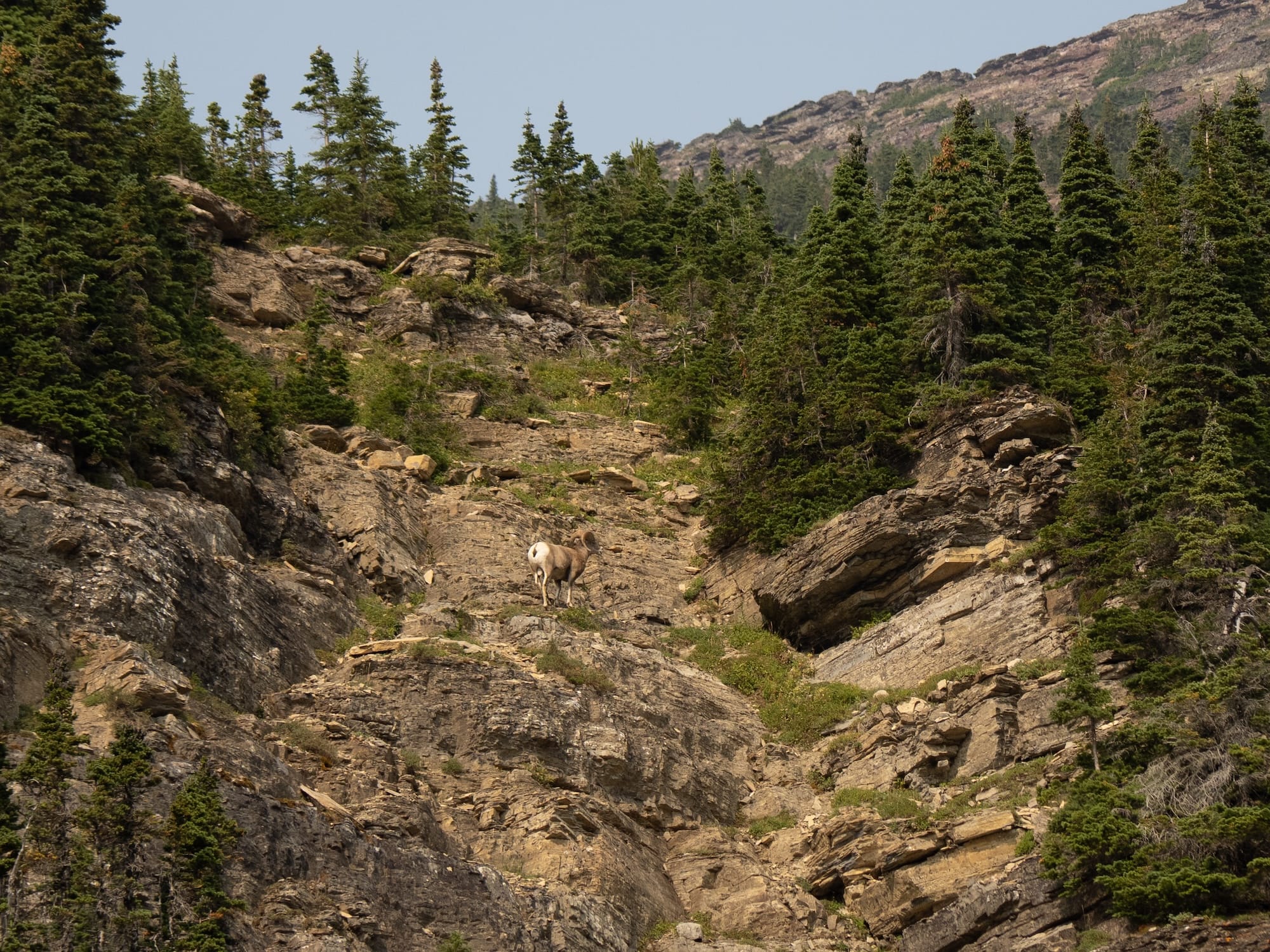
You should keep the pace calm despite the speed limits, anyway, as wildlife collision rates in Montana are among the highest in the U.S. Be cautious on all roads, but especially so in the remote mountains. Expect mountain goats, deer, elk, and bears on the road.
By law, helmets are not required in Montana for riders above 18 years old, but you should wear one anyway. No more than two bikes may ride side by side in one lane. Lane filtering is legal in Montana in stopped or slow-moving traffic (below 10 mph), but the motorcycle may not exceed 20 mph.
Annual motorcycle events in Montana include:
- Montana Motorcycle Rally (summer)
- Beartooth Rally and Iron Horse Rodeo (summer)
- Beartooth Beemers Rendezvous (summer)
Off-Bike Activities in Montana
Out of the saddle, Montana has plenty in store for any outdoor enthusiast, with endless hiking trails and gorgeous natural sights. History buffs will find plenty to see as well, with museums and Wild West towns.
Some major Montana tourist attractions include:
- Museum of the Rockies
- Little Bighorn Battlefield
- Montana Dinosaur Trail
- Glacier National Park
- Makoshika State Park
- Hell Creek Formation
- National Bison Range
- Flathead Lake
- Kootenai Falls and Swinging Bridge
- Big Sky Resort
- Lewis and Clark Caverns
- Pictograph Cave
- The Rimrocks
- The Hi-Line
- Red Lodge
- Yellowstone National Park (Montana entrances)